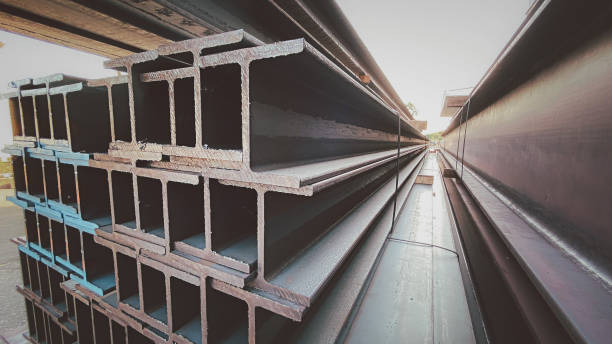
When you walk past a construction site, it’s easy to get mesmerized by the sheer chaos of cranes, concrete mixers, and workers hustling around. But hidden in all that hustle is a quiet hero that doesn’t get nearly enough credit: the humble i beam. Yes, those steel giants that look like a capital “I” might seem boring at first glance, but they are literally holding our buildings up—sometimes quite literally! If you’ve ever wondered why some beams look beefier than others, or how engineers decide which one to use, that’s all down to i beam sizes.
Why i Beam Sizes Matter
I remember the first time I visited a steel fabrication plant. I was expecting to see sparks flying from welders and machines making a lot of noise, which, okay, I got. But what really blew my mind was the sheer variety of i beams lined up like a metallic forest. Each one had a slightly different width, height, and thickness, and each tiny change in size can dramatically affect the beam’s strength. It’s like picking the right shoes for a marathon—you wouldn’t wear flip-flops, and in construction, the wrong i beam size could mean a building that’s unsafe.
Basically, i beam sizes aren’t just about aesthetics or random numbers on paper. They define how much weight the beam can carry, how it distributes load, and even how it will respond in extreme weather conditions. Think of it as the difference between a sedan and a monster truck. Both can get you from point A to point B, but only one is equipped to handle a giant pile of bricks without complaining.
Breaking Down the Dimensions
If you’ve ever stared at an engineering drawing and felt your eyes glaze over, you’re not alone. I remember trying to decode i beam sizes in college—it was like learning a new language. There’s the height of the beam, the width of the flange, and the thickness of the web, and all these tiny differences affect how the beam performs. Some beams are tall and skinny, designed to resist bending, while others are shorter and wider, ideal for supporting heavy vertical loads.
The fun fact that many people don’t realize is that even minor adjustments in these dimensions can make a huge difference. A couple of extra centimeters in flange width can improve load-bearing capacity without adding unnecessary weight. It’s engineering Tetris—everything has to fit just right.
Choosing the Right i Beam Size
Here’s where most people freak out: picking the right i beam sizes for a project. It’s not as simple as saying “let’s go big or small.” Engineers need to consider the span, the type of load, and even the building’s purpose. For example, a warehouse with heavy machinery will require different beams than a residential apartment. It’s kind of like baking: you can’t just swap sugar for salt and hope it works.
For anyone curious, you can check out detailed options and specifications at i beam sizes. Seeing the different sizes lined up makes it way easier to understand why one might be chosen over another. And trust me, it’s more interesting than it sounds—once you start comparing them, you notice subtle patterns and clever design choices.
The Social Media Angle
Believe it or not, even i beams have a fan club online. Architects and DIY enthusiasts often post photos of massive construction projects on Instagram or Reddit, tagging the beams and discussing their specs. It’s niche, sure, but there’s a surprising amount of chatter about which i beam sizes are overkill and which ones are underrated. People geek out over the weight distribution, the steel grade, and even the shiny finish. Honestly, if you scroll long enough, it’s kind of addictive.
Why You Should Care
You might be thinking, “Okay, beams are cool, but why does this matter to me?” Well, understanding i beam sizes is more relevant than you think. Even if you’re not building a skyscraper, these beams affect the cost, efficiency, and safety of construction projects. Knowing a bit about them can help you make informed decisions if you ever renovate, invest in property, or just want to impress friends at parties (yes, you can casually drop “I’ve been reading about i beam dimensions” and watch their faces light up).
In the end, i beams are like the unsung backbone of modern life. They’re not flashy, they don’t make headlines, but without them, our buildings would literally collapse. So next time you pass a construction site, give a little nod to those big steel “I’s” holding everything together. And if you want to dive deeper into the world of i beam sizes, check out this detailed guide.