I didn’t plan to think this deeply about steel one random afternoon, but here we are. I was scrolling through some construction reels on Instagram, you know those oddly satisfying factory videos, and suddenly everyone was arguing in the comments about material quality. Somewhere between a guy flexing his warehouse stock and another complaining about rust, the topic of Ms flat came up. Funny thing is, most people use it without really thinking about what it actually does. It’s like that one friend who’s always reliable but never gets tagged in posts.
Steel, especially mild steel, has this quiet dominance. It’s not flashy like stainless or exotic alloys, but it shows up everywhere. Workshops, bridges, gates, machines, even random DIY projects people brag about on Reddit. And yeah, it deserves more credit than it gets.
The simple reason mild steel keeps winning
I once asked a fabricator why he doesn’t switch to some “better” metal. He laughed and said something like, better for who? That line stuck. Mild steel is forgiving. It bends when you want it to, cuts without throwing a tantrum, and doesn’t destroy your budget. That’s kind of rare if you think about it.
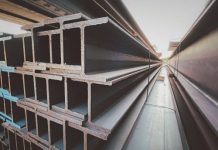
In really basic terms, mild steel is like plain rice. Not fancy, but it goes with everything. When steel is rolled into flat shapes, it becomes extremely useful. Frames, supports, base plates, brackets, all that boring stuff that actually holds the world together. No one posts photos of them, but remove them and everything collapses. Literally.
There’s also this misconception online that flat steel is weak. That’s just wrong. It’s strong in a very practical way. Not superhero strong, but dependable strong. The kind you trust with weight and pressure without overthinking.
What people don’t usually mention
Here’s a lesser-known thing. Mild steel flats are often preferred in small-scale industries not just because they’re cheap, but because they’re predictable. When you heat them, they behave. When you weld them, they don’t act moody. Some alloys crack, warp, or suddenly change personality mid-process. Mild steel mostly stays chill.
Another thing I learned way later than I should have is that surface finish matters more than people admit. Flat steel products often look similar, but small differences in rolling and cooling affect performance. That’s why experienced buyers obsess over suppliers while beginners just look at price and regret it later. Seen that story play out on LinkedIn posts way too many times.
Internet opinions vs real-world usage
If you go by Twitter or X or whatever it’s called this week, you’d think everything should be ultra-light, corrosion-proof, and futuristic. Reality check, most builders still want something that works today, not something that sounds cool in a startup pitch.
I’ve seen reels where someone taps a steel flat with a hammer and calls it “low quality” based on sound. That’s not how metallurgy works, but confidence is loud online. In actual factories, quality checks are boring and technical. Composition, tolerances, straightness. No dramatic music.
There’s also this trend of people calling mild steel outdated. That’s like calling concrete outdated. If something survives decades of use, maybe it’s not the problem.
Cost, psychology, and why builders don’t like surprises
Money always sneaks into the conversation. Steel pricing fluctuates, everyone knows that. Mild steel flats help control uncertainty. When budgets are tight, predictability matters more than marginal performance gains. I heard a contractor once say he’d rather use something he understands than gamble on something “better” that his workers might mess up.
That makes sense. Construction isn’t a lab experiment. It’s messy, rushed, and full of human error. Materials that tolerate mistakes quietly become favorites. That’s probably why steel flats keep showing up in projects big and small.
A small story from a dusty workshop
A few years ago, I walked into a tiny fabrication shop. One fan, lots of sparks, chai on the side. The owner showed me stacks of flat steel and said, half joking, this pays my kids school fees. That hit harder than any market report.
He explained how he uses the same flat sections for gates, frames, and repairs. Same material, different outcomes. That flexibility is underrated. You don’t need twenty different materials if one does the job decently well.
Why it still matters today
With all the talk about green construction and advanced materials, steel still holds ground. Mild steel can be recycled endlessly. That’s not new, but people forget it. Sustainability isn’t always about inventing new things, sometimes it’s about using old ones responsibly.
Also, flat steel products adapt well to automation. CNC machines, laser cutting, bending systems, they all love predictable material. That’s another quiet reason it hasn’t gone anywhere.
And yeah, there are better materials for specific uses. No argument there. But for general structural and fabrication work, mild steel flats are still hard to beat.
Wrapping this thought without really wrapping it
So yeah, steel isn’t glamorous. Flat steel even less so. But there’s something comforting about materials that don’t try too hard. They just work. The next time someone online trashes basic steel as boring, I kind of roll my eyes.
By the way, if you’re looking into Ms flat options for real-world use and not just theory debates, it’s worth understanding why it’s still everywhere. Not because it’s perfect, but because it’s practical. And honestly, practical usually wins, even if it never trends.